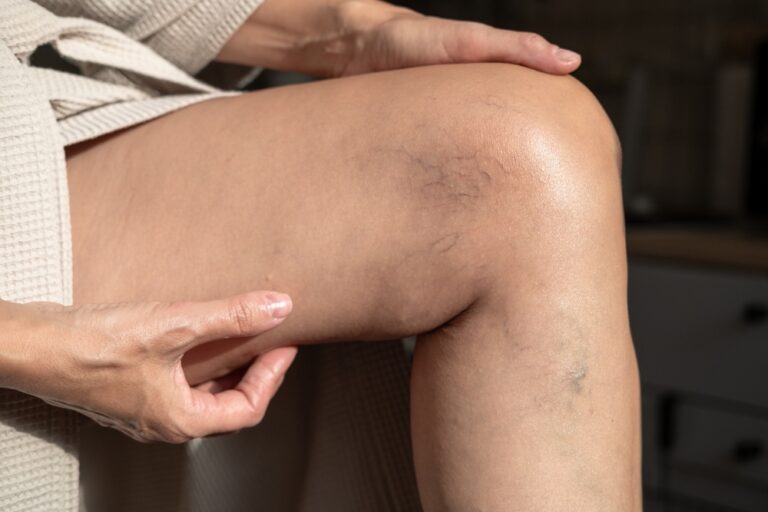
After a long day on your feet, you glance down and notice thin red or purple lines tracing across your legs. Maybe you first spotted them in the mirror while getting ready in the morning. They weren’t there before, or at least you don’t remember them being so visible. You might wonder: Is this normal? Should I be worried?
Spider veins are extremely common and, in many cases, harmless. Still, they can be frustrating, uncomfortable, or emotionally discouraging, especially when they appear suddenly or seem to spread over time. While they are often considered a cosmetic concern, spider veins can also be linked to underlying circulation issues. For that reason, they shouldn’t automatically be dismissed.
At One Oak Medical in North Jersey, patients receive thoughtful, individualized evaluations to better understand what’s causing their spider veins and what treatment options may truly help.
What Are Spider Veins?
Spider veins are small, thin blood vessels that appear close to the surface of the skin. They often look like delicate webs or tree branches and are typically red, blue, or purple in color. Most commonly found on the legs and face, spider veins may form in clusters or as single visible lines.
How Do Spider Veins Form?
Under normal circumstances, veins carry blood back to the heart with the help of these one-way valves. When valves don’t function properly, blood can pool in the vein instead of flowing efficiently upward. This pooling increases pressure within the vessel, causing it to enlarge and become visible beneath the skin. Over time, this pressure stretches the vein walls, leading to the characteristic appearance of spider veins.
Spider Veins vs. Varicose Veins: What’s the Difference?
Although they are related, spider veins and varicose veins are not the same.
- Spider veins are small, thin, and typically flat against the skin.
- Varicose veins are larger, raised, twisted veins that look like they are bulging. They may cause significant discomfort.
Varicose veins are generally associated with more advanced venous insufficiency, while spider veins are often milder. However, the presence of spider veins can sometimes signal early circulation changes. That’s why evaluation matters, especially if you’re experiencing symptoms like leg heaviness, aching, or swelling.
What Causes Spider Veins?
Spider veins rarely develop for just one reason. Instead, they are usually the result of multiple contributing factors working together.
Genetics
Genetics don’t guarantee you’ll develop spider veins, but they do play a significant role. If your parents or grandparents had spider veins or varicose veins, you may be more likely to develop them as well. Hereditary vein wall weakness and valve dysfunction can increase your vulnerability, even if you maintain a healthy lifestyle.
Prolonged Standing or Sitting
Jobs that require long hours of standing, such as healthcare, retail, or hospitality, can place consistent pressure on the veins in your legs. Sitting for extended periods, especially without movement, can also slow circulation.
When the calf muscles don’t contract regularly, they don’t assist in pushing blood back toward the heart. Over time, this can increase venous pressure and contribute to spider vein formation.
Hormonal Changes
Hormones influence the flexibility and strength of vein walls. Fluctuations in estrogen, such as those that occur during puberty, pregnancy, perimenopause, menopause, or while using hormonal birth control, can increase the risk of spider veins. This helps explain why spider veins are more common in women than in men.
Pregnancy
Pregnancy places extra pressure on the veins due to increased blood volume and the growing uterus pressing against the pelvic veins. Hormonal shifts during pregnancy can further relax vein walls, increasing the likelihood of spider veins developing.
In some cases, spider veins that appear during pregnancy may improve after delivery, but not always completely.
Aging
As we age, veins naturally lose elasticity, and valves may weaken over time, making it more difficult for blood to flow efficiently. The result is increased pressure inside the veins and greater visibility at the skin’s surface.
Weight Fluctuations
Carrying excess weight can increase pressure on the lower extremity veins. This added strain may accelerate the development of spider veins or worsen existing ones. Rapid weight fluctuations can also impact circulation dynamics.
Circulation-Related Factors
Underlying venous insufficiency (where deeper veins struggle to return blood to the heart efficiently) can contribute to spider veins. While many cases are purely cosmetic, others may be early indicators of circulation concerns.
That’s why professional evaluation is important, especially if symptoms like swelling, heaviness, or cramping accompany visible veins.
Who Is Most at Risk of Spider Veins?
Some people are simply more prone to spider veins than others. Risk factors include:
- Family history of vein disease
- Female sex
- Pregnancy history
- Occupations requiring prolonged standing or sitting
- Sedentary lifestyle
- Obesity
- Aging
- Hormonal therapy use
Having one or more of these risk factors doesn’t mean you’ll develop spider veins, but it does increase your likelihood.
Understanding your personal risk profile can help you make proactive decisions about prevention and treatment.
How to Prevent Spider Veins From Worsening
While it may not be possible to prevent spider veins entirely, you can take practical steps to reduce progression and protect your circulation.
- Keep Moving Throughout the Day: If you sit or stand for long periods, try to change positions regularly. Short walking breaks, calf raises, or simple stretches can improve circulation and reduce pressure in your leg veins.
- Consider Compression Socks: Compression stockings apply gentle pressure to the legs, supporting vein function and improving blood flow. They can be especially helpful for individuals who stand for extended hours or travel frequently.
- Maintain a Healthy Weight: Weight management reduces strain on your veins and supports overall vascular health. Even modest weight improvements can make a difference in circulation efficiency.
- Elevate Your Legs: Raising your legs above heart level for short periods can reduce venous pressure and help relieve swelling or heaviness.
- Avoid Prolonged Pressure: Crossing your legs for long periods or wearing excessively tight clothing around the waist and thighs may restrict blood flow. Being mindful of these habits can help reduce unnecessary strain on your veins.
Treatment Options for Spider Veins
If spider veins are causing discomfort, emotional distress, or progressive changes, treatment may be appropriate. Care typically falls into two categories: conservative management and medical intervention.
Conservative Approaches
For mild cases, providers may recommend:
- Compression therapy
- Lifestyle adjustments
- Exercise modifications
- Monitoring for progression
These strategies aim to support vein function and reduce symptoms.
Medical Treatments
When spider veins are more extensive or resistant to conservative measures, medical treatments may be considered. Depending on the severity and underlying cause, options may include minimally invasive procedures designed to close off or eliminate problematic veins.
These treatments are typically performed in-office and are focused on improving both appearance and symptoms.
Why a Professional Evaluation Matters
Before beginning treatment, a thorough evaluation is essential. In some cases, visible spider veins may be linked to deeper venous insufficiency. Identifying underlying circulation issues ensures that treatment addresses the root cause, not just the surface appearance.
At One Oak Medical, our vascular specialists focus on:
- Circulation assessment
- Symptom review
- Medical history
- Personalized treatment planning
We will then recommend treatment that reflects your symptoms, overall vascular health, and personal goals.
Discover Your Options for Spider Veins
Spider veins are common. They affect millions of people, and in many cases, they’re treatable.
If you’ve ever felt self-conscious about wearing shorts, uncomfortable after standing all day, or unsure whether your spider veins could indicate something more, you can visit One Oak Medical at one of our North Jersey offices. Our vascular specialists and cardiologists provide compassionate, patient-focused care designed to provide clarity and confidence.
Contact our team today to schedule a consultation and take the first step toward improved circulation, comfort, and peace of mind.