
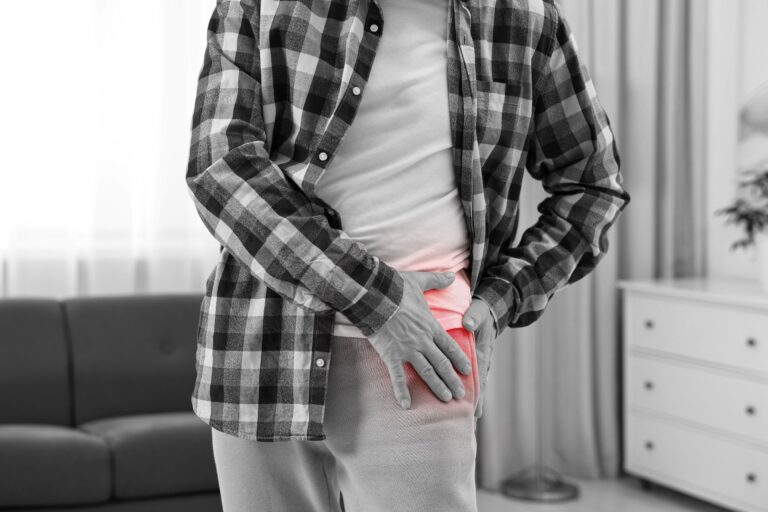
Does your hip hurt or feel stiff when you’re walking, exercising, or even resting? Whether the pain started suddenly or has gradually worsened over time, it is important to understand that hip pain can stem from a variety of conditions, including arthritis, bursitis, a muscle strain, or overuse injuries. Identifying the source of the discomfort is often the first and most important step toward finding lasting relief.
At One Oak Medical, we help patients throughout North Jersey diagnose and treat many different causes of hip pain. Today, we want to take a moment to discuss the most common reasons people deal with pain in their hips and what they can do about it.
Understanding the Hip Joint
The hip is one of the largest and most important joints in the body. It works as a ball-and-socket joint, where the top of the thigh bone (femur) fits into the pelvis. This structure allows the hip to move in multiple directions while supporting much of the body’s weight during standing, walking, running, and other activities.
The hip also relies on cartilage to cushion the bones and help movements remain smooth. Muscles, tendons, and ligaments support the joint and provide stability. And small fluid-filled sacs called bursae reduce friction between tissues.
When any part of the hip becomes damaged or irritated, pain can develop. In many cases, the location and type of pain can help healthcare providers determine the underlying condition.
Hip Arthritis: A Common Cause of Chronic Hip Pain
Arthritis occurs when inflammation or degeneration affects the joint, leading to pain, stiffness, and reduced mobility. While there are several forms of arthritis, osteoarthritis and rheumatoid arthritis are among the most common conditions that affect the hip.
Osteoarthritis of the Hip
Osteoarthritis is often described as “wear-and-tear” arthritis. Over time, the cartilage that cushions the hip joint gradually breaks down. Without enough cartilage to protect the bones, the joint becomes inflamed and painful.
People with osteoarthritis may notice symptoms such as:
- Stiffness in the hip, especially in the morning
- Reduced range of motion
- Difficulty walking or bending
- A grinding or clicking sensation in the joint
- Pain that worsens with activity
- Discomfort that gradually becomes more severe over time
Osteoarthritis tends to develop slowly and is more common in older adults, although younger individuals can also develop it after injuries or years of repetitive stress on the joint.
Rheumatoid Arthritis of the Hip
Rheumatoid arthritis is an autoimmune condition in which the immune system mistakenly attacks healthy joint tissue.
Rheumatoid hip arthritis symptoms may include:
- Joint swelling and warmth
- Persistent stiffness
- Fatigue
- Pain on both sides of the body
- Episodes of flare-ups and increased inflammation
Because rheumatoid arthritis is a progressive condition, early diagnosis and treatment are extremely important for protecting joint health and maintaining mobility. In some cases, hip replacement may be needed to find relief from hip arthritis.
Risk Factors for Hip Arthritis
Several factors may increase the risk of developing arthritis in the hip, including:
- Aging
- Previous hip injuries or fractures
- Repetitive stress from sports or physical labor
- Excess body weight
- Family history of arthritis
- Autoimmune diseases
Another Cause of Hip Pain: Hip Bursitis
Bursae are small fluid-filled sacs that cushion the bones, tendons, and muscles around joints. When these sacs become irritated or inflamed, bursitis develops.
Hip bursitis most often affects the outer part of the hip and can cause significant tenderness and pain. Many people describe the discomfort as sharp initially before it turns into a more persistent ache.
Other symptoms of hip bursitis include:
- Swelling
- Increased pain when climbing stairs
- Discomfort when walking or exercising
- Pain when lying on the affected side
The pain may worsen after prolonged activity or after sitting for extended periods.
What Causes Hip Bursitis?
Several factors can contribute to bursitis, including:
- Repetitive motion or overuse
- Long periods of standing or walking
- Muscle imbalance
- Direct injury to the hip
- Poor posture
- Prolonged pressure on the joint
Athletes, runners, and individuals with physically demanding jobs may be more likely to develop bursitis because of repeated stress placed on the hip area.
Hip Bursitis Treatment Options
Fortunately, many cases respond well to conservative approaches. Treatment may include:
- Rest and activity modification
- Anti-inflammatory medications
- Ice therapy
- Stretching and physical therapy
- Corticosteroid injections
- Strengthening exercises
In some cases, identifying and correcting movement patterns or muscle imbalances can help prevent bursitis from returning.
Other Potential Causes of Hip Pain
While arthritis and bursitis are common, several other conditions can also cause hip discomfort. Because symptoms can overlap, a professional evaluation is important for obtaining an accurate diagnosis.
- Tendonitis: Tendonitis occurs when tendons become inflamed from repetitive use or strain. People with tendonitis often experience pain during movement, tenderness, and stiffness around the hip.
- Muscle Strains: Pulled or strained muscles around the hip can cause soreness, weakness, and limited mobility. This type of injury is especially common after sudden movements or overexertion during physical activity.
- Labral Tears: The labrum is a ring of cartilage that helps stabilize the hip joint. Tears in the labrum may cause clicking sensations, instability, stiffness, or deep joint pain.
- Sciatica and Pinched Nerves: Nerve-related conditions can sometimes mimic hip problems. For example, sciatica occurs when the sciatic nerve becomes compressed, causing pain that radiates from the lower back into the hip and leg. Pinched nerves may also create tingling, numbness, or weakness.
- Fractures: Hip fractures are more common in older adults, especially those with osteoporosis. Fractures often cause sudden, severe pain and difficulty bearing weight.
- Referred Pain From the Lower Back: In some cases, pain that feels like it is coming from the hip may actually originate in the lower back or spine. Conditions such as herniated discs or spinal arthritis can create pain that radiates into the hip area.
Get Treatment for Persistent Hip Pain
Hip pain should never be ignored, especially when it starts interfering with movement, sleep, exercise, or daily activities. Whether your discomfort is caused by arthritis, bursitis, nerve irritation, or another condition, our team at One Oak Medical will provide thorough evaluations and customized treatment plans to help you regain comfort and mobility.
If you have been struggling with ongoing hip discomfort, now is the time to get answers. Contact One Oak Medical today to schedule an appointment and learn more about your treatment options for lasting relief.