
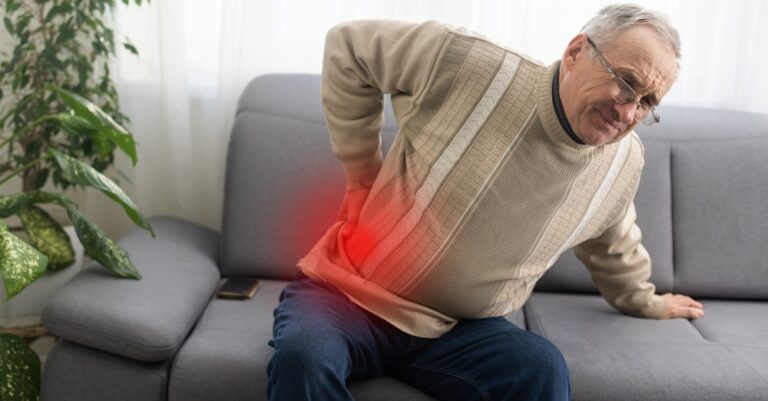
Back pain is one of the most common medical complaints among adults in North Jersey and across the country. It can affect people of all ages and activity levels, from athletes and busy professionals to older adults managing age-related changes. And some cases appear suddenly after a specific movement or injury, while others develop gradually and persist for months.
One of the most important distinctions in diagnosing and treating back pain is whether it is acute or chronic. Understanding the difference is essential because the underlying causes, recovery timelines, and treatment strategies often vary significantly between the two. While acute back pain is typically short-term and improves with proper care, chronic back pain may require a more comprehensive, long-term approach.
Understanding Acute Back Pain
Acute back pain refers to pain that typically lasts less than six weeks.
In many cases, it starts suddenly and is linked to a specific trigger, such as lifting something incorrectly, twisting too quickly, or overdoing it during exercise.
Acute back pain is extremely common and often improves with conservative treatment, especially when patients address it early rather than trying to “push through.”
Common Causes of Acute Back Pain
Acute back pain is most often caused by temporary injury or irritation in the muscles, joints, ligaments, or soft tissues of the back. Some of the most common causes include:
- Muscle strain or ligament sprain, often from overuse or improper movement
- Poor lifting technique, especially lifting heavy objects with the back instead of the legs
- Sudden injuries, such as stepping wrong, slipping, or twisting abruptly
- Sports injuries, including impacts, awkward landings, or repetitive strain
- Minor accidents, such as low-speed car accidents or falls
Even something as simple as sleeping in an unusual position or sitting for extended periods with poor posture can contribute to acute pain, especially in the lower back.
Symptoms of Acute Back Pain
Acute back pain can feel different depending on the cause and which structures are involved. Common symptoms include:
- A sharp or stabbing pain, especially with movement
- A tight or aching sensation in the lower or mid-back
- Muscle spasms or stiffness
- Pain that worsens when bending, standing, or lifting
- Reduced flexibility and range of motion
In many cases, acute back pain is localized to one area. However, it may also radiate slightly into the hips or upper legs if surrounding tissues are inflamed or tight.
Expected Recovery Timeline for Acute Back Pain
Acute back pain typically improves steadily within a few days to a couple of weeks, especially with rest, activity modification, and appropriate treatment. Many patients notice major improvement within the first two to four weeks, and most recover within six weeks.
That said, recovery can be delayed if a person continues activities that aggravate the injury, avoids movement entirely, or does not address contributing factors such as posture, muscle imbalances, or poor body mechanics.
When Acute Back Pain Needs Medical Evaluation
While acute back pain is often not dangerous, there are situations where medical evaluation is important. You should seek medical care if:
- Pain is severe and does not improve after a few days.
- Pain interferes with walking, standing, or normal daily function.
- You have numbness, tingling, or weakness in the legs.
- Pain follows a fall, car accident, or other significant trauma.
- Symptoms include fever, unexplained weight loss, or night sweats.
- You experience loss of bladder or bowel control (this is urgent).
These symptoms can indicate a more serious underlying issue, such as nerve compression, fracture, infection, or other conditions that require immediate attention.
Understanding Chronic Back Pain
Chronic back pain is defined as pain that lasts longer than 12 weeks, even after the initial injury or trigger has healed. This does not necessarily mean the pain is “in your head” or that the problem is untreatable. It means the pain has become persistent and may involve multiple contributing factors, including structural issues, nerve irritation, inflammation, and changes in how the body processes pain signals.
Chronic back pain is often more complex than acute pain. It may fluctuate in intensity, improve temporarily, and then return. For many people, it becomes part of daily life, affecting not only physical comfort but also emotional wellbeing and confidence in movement.
Common Causes of Chronic Back Pain
Chronic back pain may be linked to long-term structural changes, ongoing inflammation, nerve involvement, or unresolved injury. Some of the most common causes include:
- Degenerative Disc Disease: As people age, spinal discs naturally lose hydration and flexibility. This can reduce cushioning between vertebrae and contribute to pain, stiffness, and decreased mobility.
- Arthritis: Arthritis in the spine can cause inflammation and stiffness in spinal joints, leading to chronic discomfort and reduced range of motion.
- Spinal Stenosis: Spinal stenosis occurs when the spaces in the spine narrow, putting pressure on the spinal cord or nerves. This can cause back pain, leg pain, numbness, and difficulty walking for long periods.
- Herniated or Bulging Discs: A herniated disc can press on nearby nerves and cause pain that radiates into the buttocks, legs, or even feet. This is often associated with sciatica.
- Nerve Compression: Nerve irritation or compression can create persistent pain that may feel sharp, burning, tingling, or electric. This type of pain often behaves differently than muscle-based pain.
- Unresolved Injury or Repetitive Stress: Sometimes, an injury never fully heals due to continued strain, lack of rehabilitation, or returning to activity too quickly. Repetitive stress, especially from poor posture or work-related movement, can also keep pain active.
How Chronic Back Pain Affects Daily Life
Chronic pain is not only a physical experience. It can influence multiple aspects of a person’s life, including:
- Daily activities, such as standing, bending, driving, or lifting
- Work performance, especially in physically demanding or sedentary jobs
- Sleep, since discomfort may worsen at night or make it hard to find a comfortable position
- Mood and mental health, contributing to stress, irritability, or depression
- Energy levels, since persistent pain can be exhausting
- Quality of life, including hobbies, social activities, and exercise
Many people with chronic back pain begin to avoid movement out of fear of making symptoms worse. Unfortunately, reduced activity can lead to muscle weakness, stiffness, and worsening pain over time. This creates a cycle that can be difficult to break without professional support.
Acute vs. Chronic Back Pain: Key Differences
While acute and chronic back pain can feel similar in some ways, they differ in important areas. Understanding these differences helps guide treatment and prevents long-term complications.
Duration
- Acute back pain: Usually lasts less than 6 weeks
- Chronic back pain: Lasts longer than 12 weeks
Causes
- Acute pain: Often caused by strains, sprains, sudden injuries, or minor accidents
- Chronic pain: Often linked to degenerative conditions, arthritis, disc issues, spinal narrowing, nerve compression, or unresolved injury
Symptoms
- Acute pain: Often sharp, sudden, and linked to a specific movement or event
- Chronic pain: Often persistent, recurring, or fluctuating, sometimes with nerve symptoms such as tingling or radiating pain
Treatment Approach
- Acute pain: Typically improves with rest, gentle movement, and short-term conservative care
- Chronic pain: Often requires a long-term plan that may include physical therapy, imaging, medication management, lifestyle changes, and targeted interventions
The biggest takeaway is that chronic back pain is not simply “acute pain that didn’t go away.” It often involves additional factors and may require a more layered treatment strategy.
Treatment Options for Acute and Chronic Back Pain
Because acute and chronic back pain behave differently, treatment should also be approached differently. The best outcomes usually come from personalized care.
At One Oak Medical, treatment is guided by the patient’s symptoms, medical history, activity level, and diagnostic findings. The goal is not only to reduce pain, but also to restore strength, function, and confidence.
Treatment for Acute Back Pain
Acute pain often responds well to conservative care. Treatment may include:
- Rest and Activity Modification: Short-term rest can help, but complete inactivity often slows recovery. In many cases, patients benefit from avoiding painful movements while staying gently active.
- Anti-Inflammatory Medications: Over-the-counter or prescription anti-inflammatory medications may help reduce inflammation and discomfort. These are often used short-term.
- Heat and Cold Therapy: Cold therapy is often helpful during the first 24-48 hours after injury, while heat may help relax muscles and improve mobility afterward.
- Physical Therapy and Gentle Movement: Guided stretching, strengthening, and mobility exercises can support faster recovery and reduce the risk of recurring pain.
- Education on Body Mechanics: Learning how to lift properly, sit with better posture, and avoid strain can prevent acute pain from returning.
Treatment for Chronic Back Pain
Chronic pain often requires a more comprehensive approach, especially if structural issues or nerve involvement are present. Treatment may include:
- Physical Therapy and Strength Training: Physical therapy is one of the most effective tools for chronic back pain. It helps strengthen the core, stabilize the spine, and improve movement patterns that may be contributing to pain.
- Anti-Inflammatory and Pain Management Medications: Medication may be used to help manage symptoms, reduce inflammation, and improve daily function. In chronic cases, the focus is often on careful, responsible management rather than relying on medication alone.
- Diagnostic Testing: Chronic back pain often benefits from further evaluation. Imaging, such as X-rays or other diagnostic testing, may be recommended to identify structural changes, disc problems, or spinal narrowing.
- Targeted Interventions: If conservative treatment is not enough, more advanced options may be considered. These may include specialist referrals, injection-based therapies, spinal surgery (such as laminectomy, discectomy, or spinal fusion), or other interventions depending on the diagnosis.
- Lifestyle and Long-Term Support: Chronic back pain is often influenced by activity level, weight, stress, sleep quality, and posture. Long-term care may involve addressing these factors in a practical, realistic way.
Back Pain Should Never Be Ignored — No Matter the Duration
Back pain can be short-term, long-term, mild, severe, or somewhere in between. But regardless of how it starts, it deserves attention, especially when it begins affecting your daily routine, sleep, or ability to move comfortably.
At One Oak Medical, patients throughout North Jersey receive comprehensive evaluations, diagnostic testing when appropriate, and customized treatment plans designed around their needs. Whether you’re dealing with a recent injury or months of persistent discomfort, the right approach can help you get back to the beautiful life you’ve built for yourself.
Contact One Oak Medical today to schedule a consultation with an orthopedic back specialist and find out how you can live without pain.